Table of Content
“I suspect that a high fraction of employees of all types, across the globe, value the flexibility, lack of a commute, and other aspects of work from home. This might bias survey respondents toward giving more positive answers to questions about their productivity,” says Gibbs. Not all the research supports the idea that remote work increases productivity and decreases the number of hours workers spend on the job.
The findings of his research do not entirely contradict those of Barrero, Bloom, and Davis, however. “While the average effect of working from home on productivity is negative in our study, this does not rule out that a ‘targeted working from home’ regime might be desirable,” they write. The widespread implementation of remote-working technology, a defining feature of the pandemic, is another important factor for productivity.
Working From Home After the Pandemic
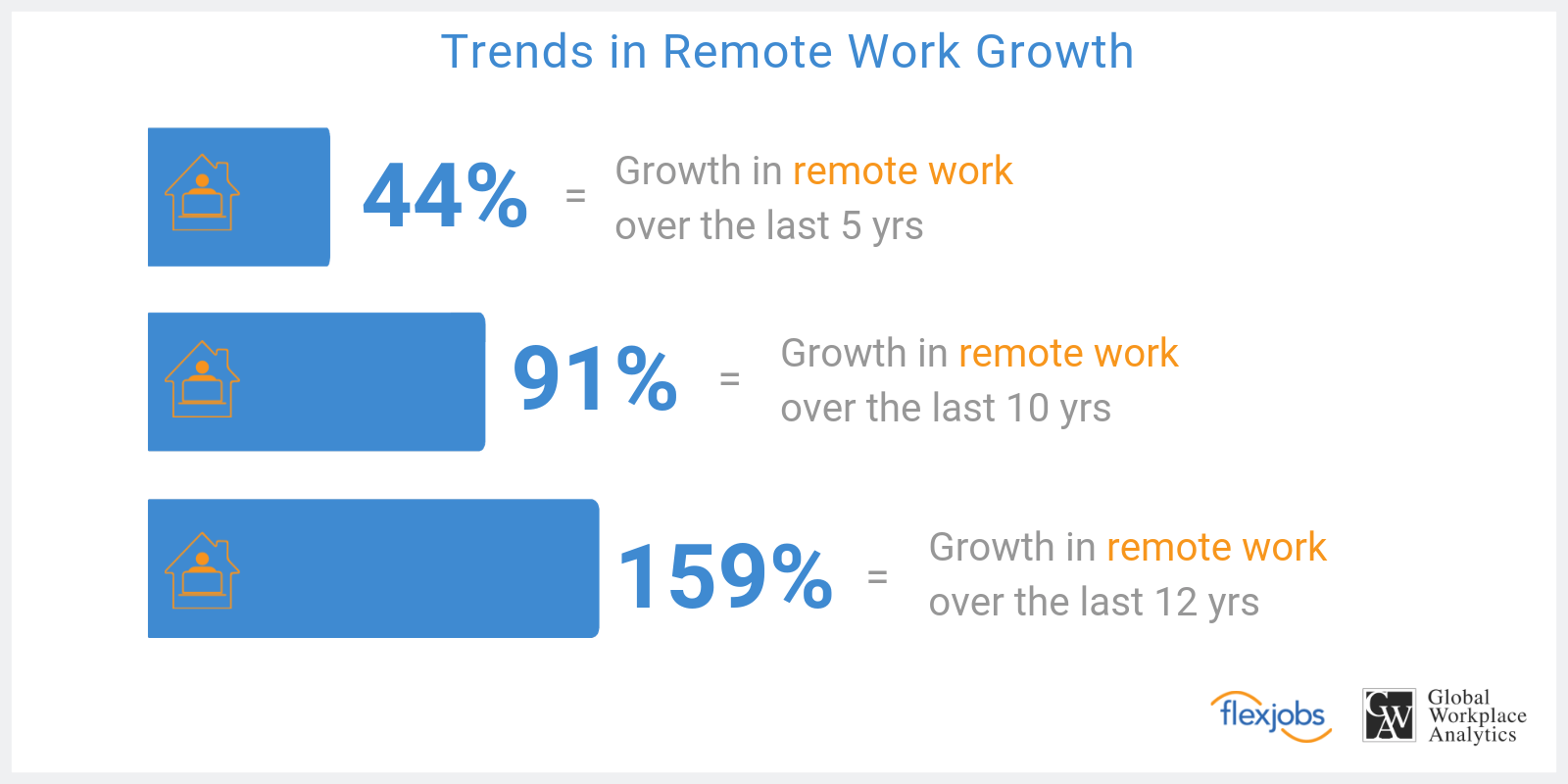
So, it is not difficult to see why organizations supporting remote work have a 25% lower employee turnover. The remote work statistics report from Employee Benefit News states employers have to spend 33% of a worker’s annual salary on hiring a replacement. The same survey also reports that 75% of the causes of employee turnover are preventable. In 2018, 16% of companies were fully remote and were operating without offices or headquarters. In addition, 40% were hybrids that presented both remote and in-office options to the workers.
According to Owl Labs, only 49% of remote workers log in from a dedicated home office. On the other hand, more than half (51%) of remote workers do not have a dedicated room and work from their bedroom or a communal area. As of 2021, 58.6% of workers were working remotely, of which 41% were fully remote employees. Come the pandemic, 70% of the US full-time workers were working from home; in which 51% were working remotely, and 49% returned to the office for at least one day a week. A June article in the MIT Technology Review by Stanford’s Erik Brynjolfsson and MIT postdoctoral scholar Georgios Petropoulos corroborates this view.
72 percent of people prefer email as a communication medium.
Sign up for Time Doctor’s 14-day free trial to make WFH transition a smooth ride for your outsourced agents and ensure optimum WFH productivity even post-pandemic. The pandemic lockdown forced every industry, including the BPO sector, to face their fears about remote work. Check out the other ways you could help your employees to be more productive and efficient at work. Many WFH employees follow the Pomodoro Technique of taking a 5-minutes break after working every 25 minutes.

Everyone seems to think they’re busy working on creative projects, but if you’ve ever worked in an office, you know that isn’t always the case. Homeworkers are 54% less likely to take time off from their jobs. One of the most important insights is that employees who work from home experience a 13 % performance boost in terms of more minutes worked and more work done per minute. From April to May 2022, 38% of employees making £40,000 or more and 32% earning between £30,000 and £40,000 were working hybrid. In a 2020 survey, 50 of the largest employers in the UK reported that they’re not planning to return to full-time in-house sitting anytime soon.
Remote Work Statistics: The Challenges of Working From Home
In a work week, those who work at home are more consistent, work more hours, and get more done. Find out how professionals manage to get more done on flexible work arrangements, not in an office setting. A study conducted by Hubspot revealed that 89% of people would rather work alone to perform at their best.

This study was conducted on 1005 full-time employees in the US, out of which 505 workers were working remotely. We’ll also cover some handy tips that outsourcing companies could give their remote workers to ensure greater work from home productivity. Investing in a productivity app goes hand-in-hand with hiring remote workers.
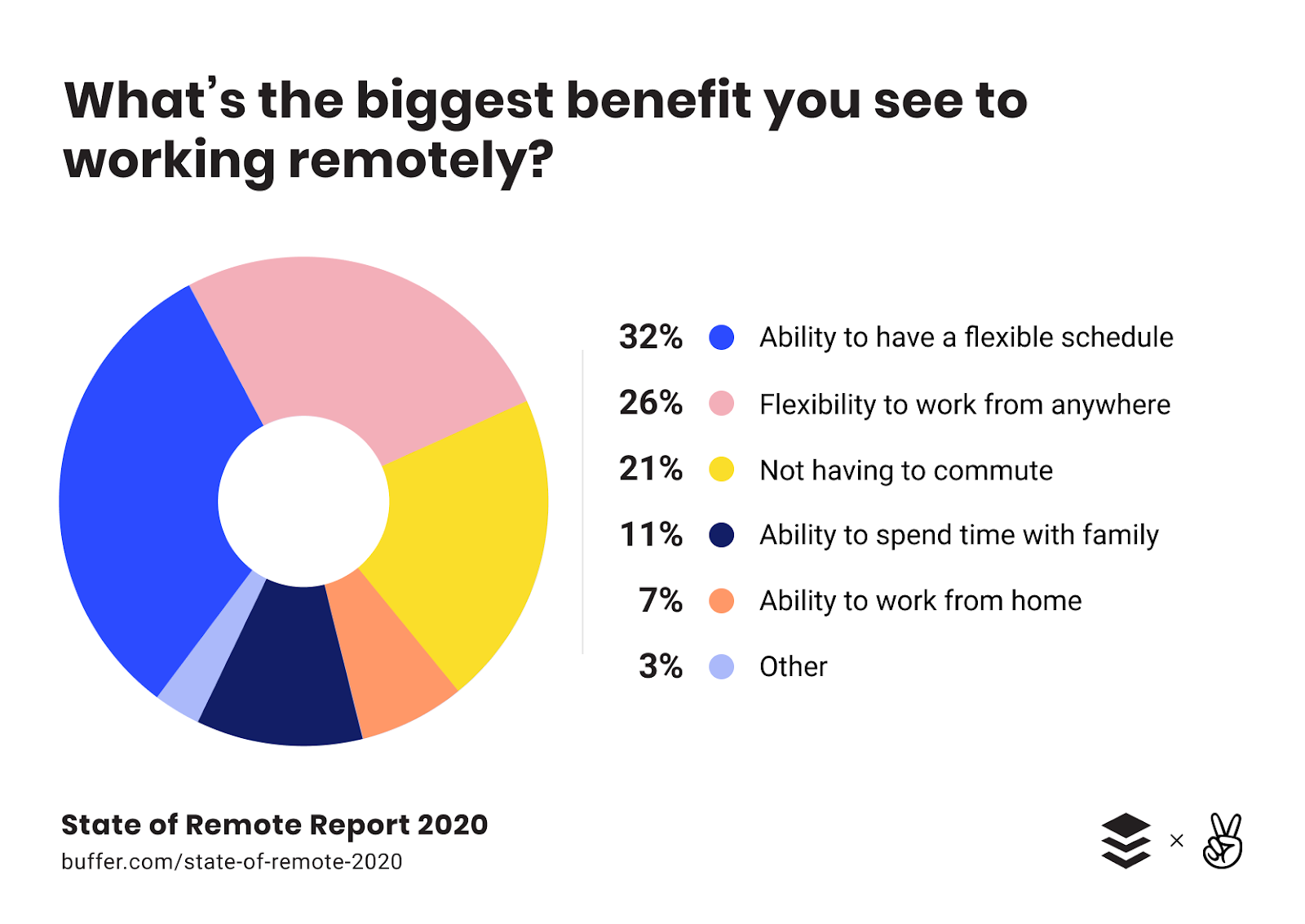
Bad posture was reported by 23% of work-from-home employees. 30% of work from home employees have no access to important office equipment. Part of this is due to the ability to maintain a better work-life balance and eat healthier. Less time devoted to commuting and more to the family is usually positive. When employees can work from home, their performance increases by 22%.

While 65% of remote workers reported having enough internet speed to support workable virtual meetings, many remote workers lack the facilities or sufficient internet capacity to work remotely. In one self-reported survey, 77 percent of remote workers reported higher productivity and efficiency. This metric isn’t as precise as the one from the Stanford study, since it doesn’t imply how significant the productivity increase is. It’s also muddied by the fact that people are reporting their own productivity; as you can imagine, people are inclined to overestimate their own productivity increase when working from home. Second, an average worker spent over 14 hours and $600 to support their work-from-home.
Almost 48% of employees said they must communicate more to show their value. In 2020, about 65.5% of employees whose productivity increased with working from home wanted to work at home in the future. While the work-from-home model was widely embraced among employees, nearly half experienced no difference in productivity in 2020.

Beginning in the 1980s, revitalized downtowns were the places to work for younger, educated employees. However, the trend reversed in 2020 as remote work became more available — and even the norm. In some instances, workers relocated to suburban and rural locations.


No comments:
Post a Comment